


RTA Number Plates in Dubai: Types, Rules and How They Work
Number plates in Dubai are more than identifiers – they are part of a regulated system overseen by the Roads and Transport Authority, and some carry significant value and prestige. Whether you are buying, selling or simply registering a car, understanding how plates work saves confusion.
This guide explains plate categories, the rules around them, and what to know when plates feature in a car sale or purchase.
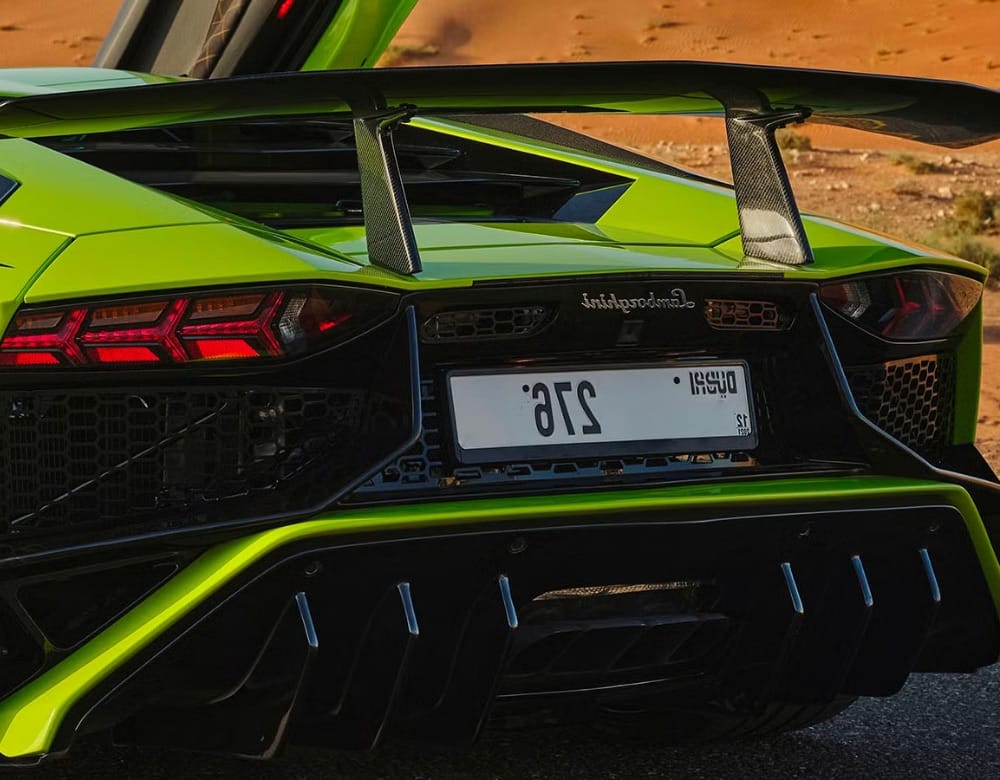
How the RTA plate system works
The RTA issues and regulates vehicle plates in Dubai, and every registered car must display a valid plate. Plates are tied to the registration of the vehicle and the owner, and the system covers everything from standard plates to special and personalised options.
Knowing that the RTA is the central authority helps you understand where to handle any plate-related matter.
Plate categories and styles
Plates come in different categories and code series, and there are options ranging from standard issue to distinctive and personalised plates. Some formats – particularly short or unusual numbers – are highly sought after and can command substantial sums.
For most owners a standard plate is all they need, but the options exist for those who want something distinctive.
Why some plates hold value
Distinctive plates, especially those with few digits or special patterns, are prized and can be valuable assets in their own right. Demand for rare combinations supports a genuine market, and a desirable plate can be worth a great deal independently of the car.
This is unique to the culture around plates in the region and worth understanding even if you never buy one.
Plates when buying or selling a car
During an ownership transfer, the handling of the plate is part of the process. A seller may keep a valuable personalised plate and transfer the car on a different plate, or the plate may move with the car, depending on the arrangement.
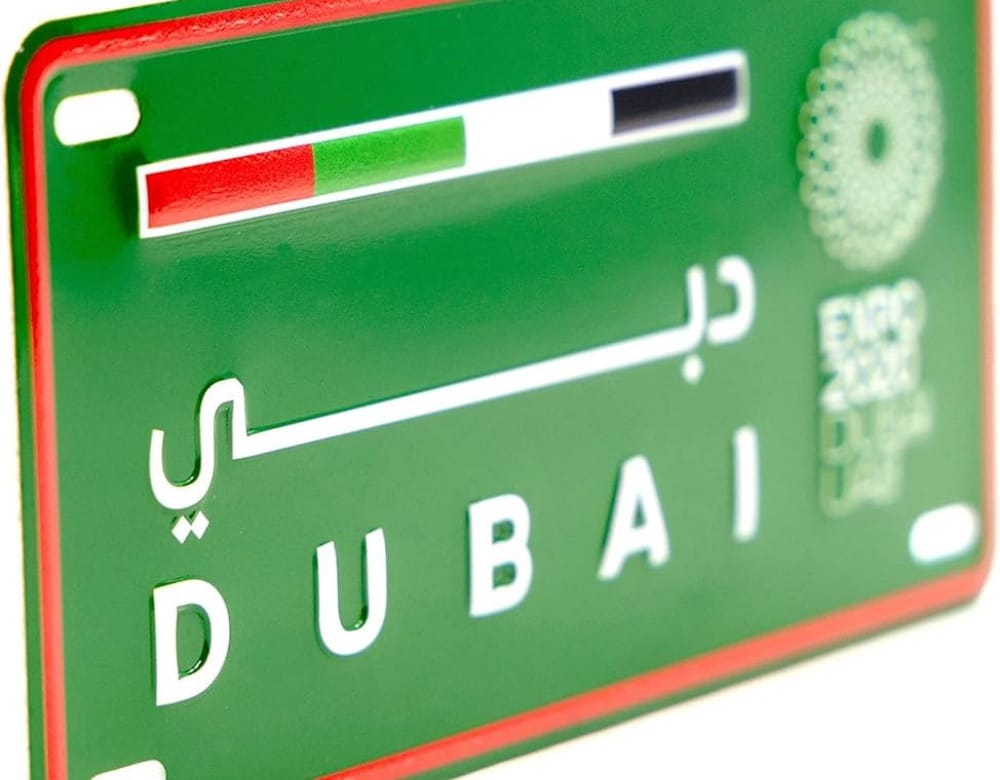
Clarify what happens to the plate as part of any sale, since a valuable plate can be a significant element of the deal.
Personalising and acquiring plates
Owners who want a distinctive plate can acquire one through the RTA’s official channels, including auctions for the most sought-after numbers. The process is regulated, and prices for rare plates can be very high.
If a personalised plate appeals to you, use the official RTA routes to acquire and register it correctly.
Staying compliant
Whatever plate you have, it must be valid, correctly displayed and tied to current registration. Keep your registration renewed and your plate in proper condition to avoid fines. When in doubt about any plate matter, the RTA is the authority to consult.
Compliance is straightforward once you understand that plates and registration go hand in hand.
How Dubai's plate system works
Dubai number plates carry a code letter and a number, and the system has its own logic and culture. Shorter numbers and special combinations are prized and can command remarkable sums at auction, while standard plates are issued routinely with registration. Understanding the basics helps you navigate both ordinary registration and the world of premium plates.
For most drivers, the plate simply comes with the car or is issued on registration, and the main practical questions concern transferring, replacing or upgrading it. The premium-plate market is a separate, optional pursuit driven by prestige rather than necessity.
Common plate tasks and how they work
The plate-related tasks most owners encounter include:
- Receiving plates on first registration of a car.
- Transferring a personal plate from one car to another.
- Replacing lost or damaged plates.
- Acquiring a premium or chosen number, often via auction.
- Handling plates correctly during an ownership transfer.
Each is handled through official RTA channels, and keeping a treasured personal plate when you change cars is a routine, well-supported process.
Premium plates as a choice, not a need
Special plates are a genuine part of Dubai car culture, and rare combinations change hands for substantial amounts. If a distinctive plate appeals to you, the official auctions are the legitimate route, but treat it as a discretionary purchase rather than a practical necessity.
For everyday ownership, a standard plate serves perfectly well. The important thing is to handle plate transfers correctly during sales and purchases through the RTA, so that ownership and any personal plate end up exactly where they should.
Plates during a sale and as an investment
Number plates intersect with car ownership most practically at the point of sale, and handling them correctly avoids confusion at the transfer counter. Standard plates simply pass with the registration, but a personal or premium plate that the seller wishes to keep must be detached and retained or reassigned through the proper RTA process, with new plates issued to the buyer. Agreeing in advance who keeps which plate prevents an awkward surprise during the transfer.
For those drawn to distinctive numbers, Dubai’s plate culture treats rare and short combinations as genuine assets, and they change hands at auction for sums that can rival the cars they adorn. The official auctions are the legitimate route to acquiring such a plate, but it is wise to view this as a discretionary, prestige purchase rather than a practical necessity, since a standard plate serves everyday motoring perfectly well.
The routine plate tasks most owners encounter, receiving plates on registration, transferring a personal plate to a new car, replacing lost or damaged plates, and managing plates during a sale, are all handled through official RTA channels and are generally straightforward. Keeping a treasured personal plate when you change cars is a well-supported process, so a cherished number need not be lost simply because you are moving to a different vehicle.
Frequently Asked Questions
Who issues number plates in Dubai?
The Roads and Transport Authority (RTA) issues and regulates all vehicle plates in Dubai. Every registered car must display a valid plate tied to its registration.
Why are some Dubai number plates so valuable?
Distinctive plates with few digits or special patterns are prized and in high demand, supporting a genuine market where rare combinations can command very high prices.
What happens to the plate when I sell my car?
It depends on the arrangement. A seller may keep a valuable personalised plate and transfer the car on another plate, or the plate may move with the car. Clarify this in any sale.
How do I get a personalised plate?
Acquire one through the RTA's official channels, including auctions for the most sought-after numbers. The process is regulated and rare plates can be expensive.
Ready to buy or sell your car in Dubai? Start at Dubai Car Zone for trusted listings and expert guidance.