
Quick answer: Buying a Car Before Moving to Dubai: A Timing and First-Month Cost Checklist is best approached as a verification exercise, not a search for a perfect shortcut. In Dubai’s fast-moving used-car market, a good decision comes from matching the car to your routine, gathering evidence for the important claims and leaving enough budget for the first ownership steps. This guide focuses on arrival timing, documents, temporary transport, and a realistic first-month plan. It is written for buyers and sellers who want a practical, calm process rather than a sales pitch.
The right choice will differ by driver, neighbourhood, parking situation, annual distance and tolerance for maintenance. That is why the buying a car before moving to Dubai conversation should start with your use case. A lower asking price can be sensible, but only after you understand condition, documents, specification, insurance and the costs that arrive after the handover. Use this article as a structured set of questions; confirm current official requirements directly before a transaction.
Start with the decision you are actually making
Before comparing models or quotes, define the job the car must do. Consider who drives it, where it sleeps, how often it faces motorway traffic, whether children or equipment travel with you and how long you expect to keep it. This converts a broad search into a short list of non-negotiables. For buying a car before moving to Dubai, the most useful evidence is the evidence that changes your ownership experience, not the evidence that merely makes a listing look attractive.
Build a one-page scorecard with five headings: suitability, condition, documentation, running cost and exit plan. Give every candidate the same test. If a seller cannot support a major claim, mark it as unverified rather than assuming it is false or true. That small discipline prevents an optimistic first impression from becoming an expensive assumption.
What to check before you commit
arrival timing, documents, temporary transport, and a realistic first-month plan deserves a focused check before any deposit, transfer or booking fee. Start with what you can see and operate: controls, lights, panels, tyres, cabin equipment, keys and visible service evidence. Then compare the answers you receive with an independent inspection appropriate for the car’s age, value and complexity. A short drive is useful, but it is not a substitute for a qualified inspection when a mechanical or electronic issue would materially affect your budget.
Keep your checks organised. Record the date, mileage shown, the person you spoke with, any documents reviewed and the next action. If you are selling, the same structure helps you present the car honestly: state what has been maintained, disclose known limitations and make paperwork easy to review. Clarity brings better enquiries than vague promises.
Use a Dubai-specific ownership lens
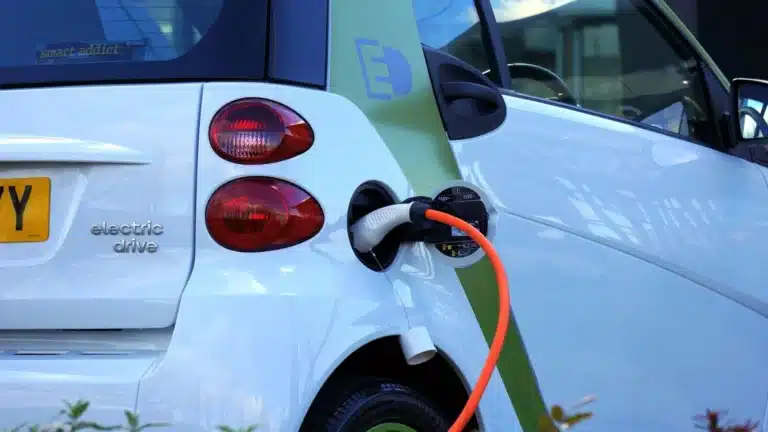
Dubai adds practical variables that generic car advice can overlook. Heat, air-conditioning performance, parking access, motorway use, tyre age, battery condition and the availability of qualified support can all matter more than a showroom brochure suggests. An EV or hybrid also needs a charging plan that works where you live and work; DEWA publishes current public-charging guidance through its DEWA EV charging guidance.
For any purchase or sale, official process matters as much as the car itself. The RTA’s RTA vehicle ownership service explains the current ownership-transfer route and requirements. Do not treat an article, a chat message or a historical quote as a replacement for the live official service page. Check fines, insurance, technical-inspection needs, mortgages and identification requirements at the point you are ready to proceed.
Turn observations into a cost decision
A useful inspection does not end with a list of faults. Translate each observation into one of four outcomes: accept it, ask for proof, seek a specialist opinion or include it in your budget. A cosmetic mark may be acceptable; an unexplained warning light, missing maintenance evidence or unclear ownership status deserves a pause. Avoid trying to predict an exact repair bill from a photo or a forum post. Obtain a written estimate when the decision depends on it.
Include a contingency in addition to the purchase price. Insurance, transfer, a baseline service, tyres, battery or accessories can arrive early in the ownership period. For insurance questions, read the policy schedule and wording and use the CBUAE motor-insurance rulebook as an official reference point; cover, excess, exclusions and eligibility are policy-specific. The goal is not to eliminate every cost but to avoid being surprised by predictable ones.
A practical viewing and conversation plan
Arrange a viewing that allows enough time to look, listen and ask questions. Visit in daylight where possible, take a consistent route on the test drive and avoid handing over money before the next step is clear. Ask the seller to explain maintenance, keys, modifications, warranty, finance or any repaired area in their own words. Then ask for records that support the explanation. A credible answer does not need to be dramatic; it needs to be consistent.
When you are ready to browse options, use a marketplace as a starting point rather than a substitute for verification. You can view current car listings through Shozon. If you are selling, prepare a selling enquiry on Shozon after your evidence and handover plan are ready. DubaiCarZone may earn a commission from a qualifying partner link at no extra cost to you; editorial guidance remains independent.
The buying a car before moving to Dubai checklist
- Write down the exact question you need answered before you travel to view the car.
- Ask for dated evidence rather than relying on a verbal assurance.
- Compare the answer with the vehicle, its documents and the service record.
- Use daylight and enough time; do not compress the inspection to fit a rushed appointment.
- Photograph details that matter to your decision, while respecting the seller’s privacy.
- Separate a cosmetic imperfection from a safety, reliability or legal issue.
- Price the likely next step: inspection, maintenance, repair or clarification.
- Confirm what is included: keys, manuals, accessories, warranty evidence and service items.
- Keep payment and ownership transfer within an official, traceable process.
- Sleep on the decision if the evidence is incomplete or the pressure is high.
Common mistakes that make a reasonable car a poor decision
The common mistake is not missing one tiny flaw. It is allowing a single attractive detail—low mileage, a fashionable badge, a monthly-payment figure or a polished photo—to outweigh the rest of the evidence. Another is treating an inspection report as a pass/fail certificate rather than reading the actual notes and exclusions. A third is committing before you have a clear plan for insurance, ownership transfer, payment and the first service.
Protect your time as well as your money. Do not send sensitive documents to an unverified person, do not accept an unclear payment route, and do not let urgency replace process. A seller who values a clean transaction should understand a buyer’s need to verify important information. A buyer who values a seller’s time should arrive prepared, ask direct questions and make a decision based on evidence.
Frequently asked questions
Should I decide from the listing alone?
No. A listing is an invitation to investigate, not proof of condition. Keep the written description, ask focused questions, inspect in daylight and arrange an independent check when the car, the answer or the paperwork leaves a material uncertainty.
What is the best single question to ask?
Ask for the evidence behind the answer: an invoice, a dated photo, a workshop report, a service record or an official document. Evidence lets you compare cars on the same basis and makes a calm decision easier.
When should I walk away?
Walk away when identity, ownership, finance status, payment path, key vehicle facts or the seller’s account cannot be reconciled. There will be another car; a rushed decision is rarely a bargain.
Bottom line
Buying a Car Before Moving to Dubai: A Timing and First-Month Cost Checklist is not about finding a universal answer. It is about reducing uncertainty in the parts of ownership that matter to you. Make your shortlist, verify the claims that affect safety, legality, reliability and cost, and use current official sources for the transaction itself. That approach is slower than an impulse decision, but it is usually faster than fixing the consequences later.
Further reading
Make the decision with confidence
Before you move from research to a payment or a transfer, take one final pause and compare the evidence against the plan you made at the start. The most useful decision is not always the quickest one. It is the one you can explain clearly: this car suits the way I travel, the condition has been checked at the right level, the documents support the important claims, and the next costs are within my budget. If one of those statements is still uncertain, make that uncertainty the next question rather than trying to compensate with optimism.
For buyers, that final pause can mean asking for an independent opinion, re-reading an invoice, confirming an insurance detail or simply viewing a second comparable car. For sellers, it can mean organising records, taking one more honest photograph, or writing down the condition point a serious buyer will ask about. Neither step weakens the transaction. It makes the agreement cleaner and reduces surprises after the handover. Keep your notes, maintain respectful boundaries, and complete ownership changes through the current official route. A careful process gives both sides a better chance of finishing with the same understanding of what was agreed.
Use this guide as an editorial starting point, not as a replacement for live official requirements, a qualified inspection or policy-specific advice. Rules, availability, fees and vehicle condition can change. The practical habit that travels well across every Dubai car decision is simple: verify what matters, budget for the next step, and do not allow urgency to choose for you.